
The obsession with hierarchy among Republicans—especially the various demographics that make up their coalition—isn’t just a random preference. It’s deeply rooted in fear, identity, and power. At its core, conservatism is about maintaining order as they define it, which means keeping people “in their place” according to long-standing social, economic, and cultural structures.
Fear of Losing Status
For many white conservatives, particularly working- and middle-class ones, the post-1960s world has been unsettling. The civil rights movement, feminism, LGBTQ+ rights, and immigration have all challenged the historical dominance of white, heterosexual, Christian men. The fear isn’t necessarily that they’ll be oppressed—it’s that they’ll lose the automatic privileges and social status they’ve long taken for granted. When they say they want to “take our country back,” they mean back to a time when they felt unchallenged.
Economic anxiety also plays into this, but not in the way Republicans claim. Many of these voters aren’t just afraid of poverty—they’re afraid of being on the same level as people they’ve been conditioned to see as inferior. If a Black family moves into their neighborhood, or an immigrant gets a job they wanted, it’s not just competition—it’s a perceived humiliation, an erasure of the old pecking order.
The Appeal of a Strongman
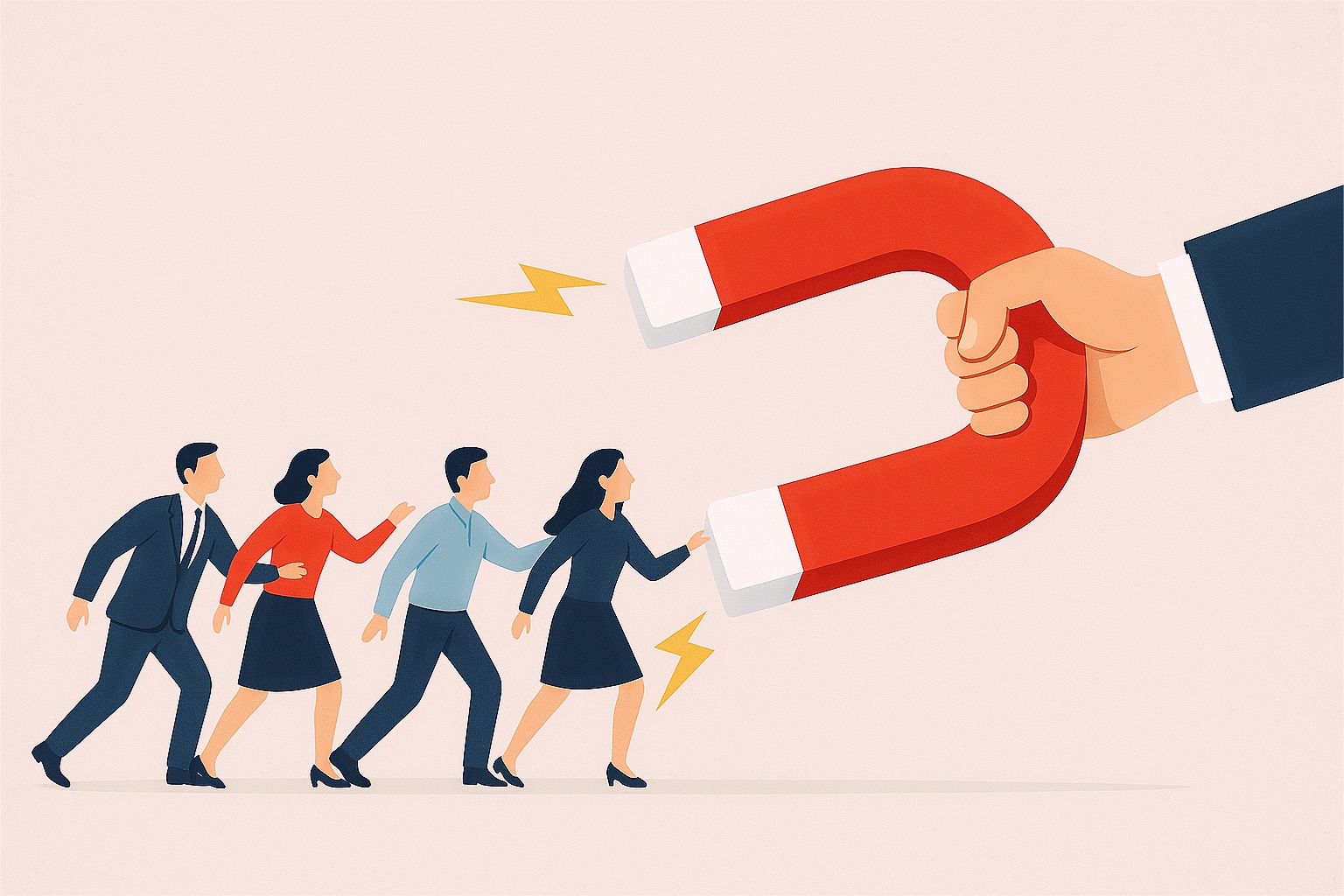
Hierarchy requires enforcement, which is why authoritarianism has such strong appeal among Republicans. The conservative mindset tends to favor rigid rules, obedience to authority, and strong leadership that “keeps people in line.” This is why they rally behind figures like Trump—his corruption, cruelty, and lawlessness don’t matter as long as he’s enforcing the social order they want. He represents the father figure who doesn’t apologize, doesn’t show weakness, and punishes those who step out of line.
It’s also why Republicans obsess over law and order, even when crime rates are low. The fear isn’t about crime itself—it’s about control. They see protest movements like Black Lives Matter as threats, not because they genuinely believe police are in danger, but because they see marginalized groups stepping out of their assigned roles. The same goes for trans people—they challenge the rigid gender hierarchy, and conservatives can’t tolerate that.
Religious and Cultural Indoctrination
Many Republican voters are deeply influenced by conservative Christianity, which reinforces hierarchical thinking. The traditional evangelical worldview teaches that men are the head of the household, women should be submissive, and LGBTQ+ people are unnatural. It also presents wealth and power as signs of divine favor—so challenging capitalism or advocating for wealth redistribution isn’t just economic, it’s moral rebellion.
This is why Republican policies often align with enforcing social roles rather than economic well-being. They’ll vote against universal healthcare, better wages, or affordable education—even when it would help them—because those policies don’t reinforce the hierarchy they believe in. But banning abortion? Banning books? Keeping LGBTQ+ people out of schools and public life? That keeps the world ordered the way they want it.
The Ultimate Fear: A Level Playing Field
At the heart of it, conservatives love hierarchy because it reassures them that the world is structured in a way where they know their place—and more importantly, where others know theirs. A level playing field would mean that success isn’t guaranteed by race, gender, or class. It would mean competing fairly, and that terrifies them.
So they cling to systems that allow them to feel superior by default. If that means propping up corrupt politicians, suppressing votes, or even dismantling democracy, so be it. Because in their world, fairness is a threat, and justice feels like oppression.