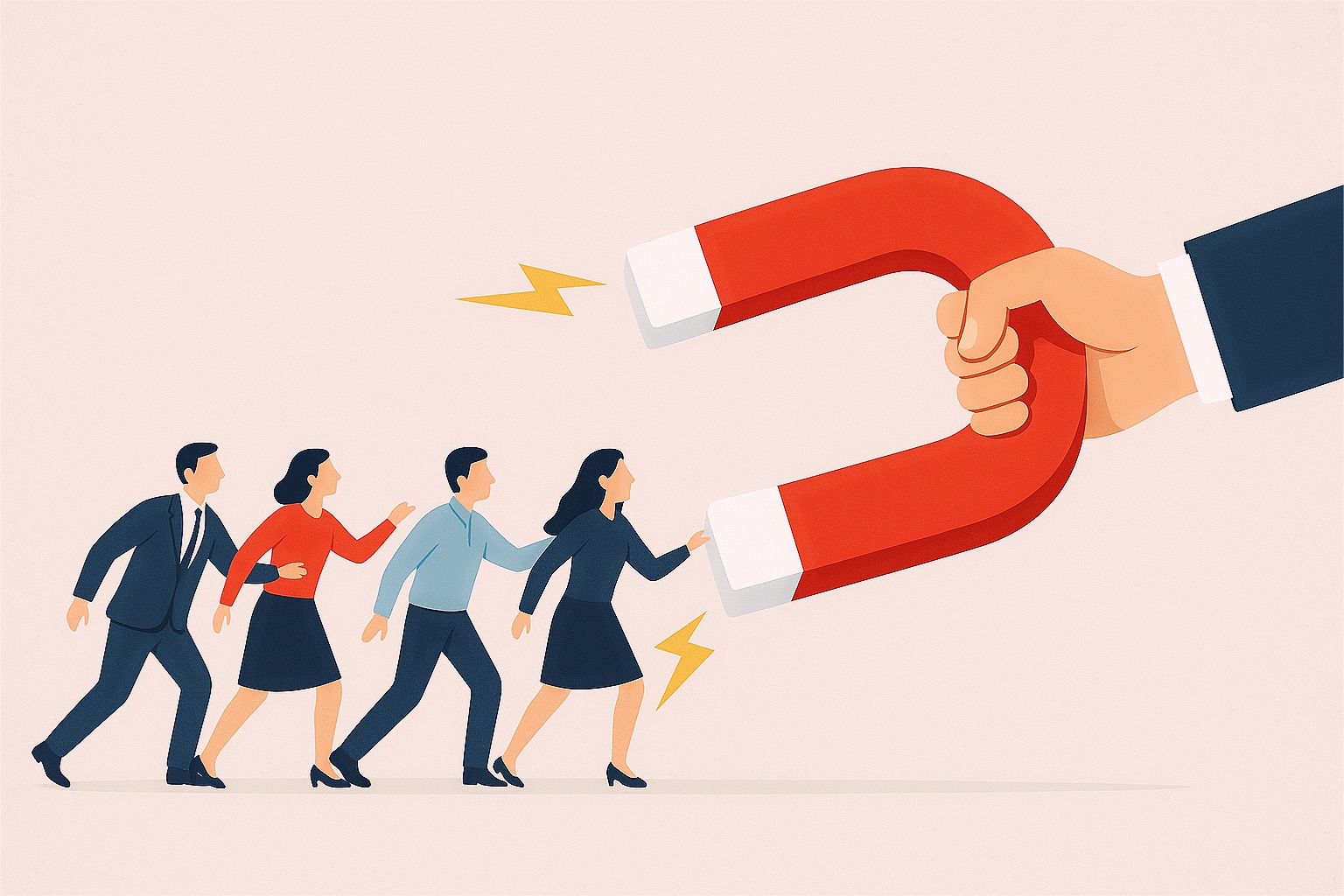

For centuries, we’ve been told that men are the superior gender—stronger, smarter, more capable. And in the physical realm, this has been emphasized time and time again. But if men are so inherently superior, why does the world look the way it does? Why are so many of the problems we face today directly tied to the way that so-called “strength” has been used—not to protect, but to dominate and destroy?
Let’s take a step back. When we talk about “strength,” most people picture the physical kind—the power to lift, to fight, to protect. But strength is more than just muscle. It’s the ability to create, to nurture, to build something better for the future. If men were so superior, why has that power been so often used to oppress, to hold others down, to exploit resources and people for personal gain?
Throughout history, the dominant narrative has been that men are the ones who hold the keys to power. They were the warriors, the kings, the leaders. And they used that position to impose their will on the world, often violently, without regard for the consequences. Instead of using their strength to protect the vulnerable or build systems that benefit everyone, they used it to enforce rigid hierarchies and maintain control over land, wealth, and people.
Take a look at history—empires built on conquest, societies founded on the exploitation of others. These weren’t acts of protection. They weren’t about building something sustainable. They were about dominance. Strength was wielded not to uplift but to keep others in line. And yet, we’re still taught that men, with their strength, are the ones who should lead, that their physical power somehow makes them better equipped to handle the weight of the world.
But here’s the thing: the world we live in today isn’t the result of men using their strength for good. It’s the result of men using that very strength to destroy, to break things down. They didn’t use their muscles to create a just and fair world. Instead, they used their physical power to crush dissent, to create systems that would serve their interests at the expense of others. And now we see the fallout of that—the inequalities, the environmental destruction, the endless cycles of violence and oppression.
So, if men are truly superior, why has the world become this way? If they were so strong, why didn’t they use that strength to make the world a better place? The truth is, the narrative of male superiority was never about actual strength. It was about control. The narrative was designed to prop up a system where those with power—often physical, but also economic and political—could maintain dominance over others. It wasn’t about protecting or creating; it was about holding on to power at all costs.
At the end of the day, the idea that men are “superior” doesn’t hold up to scrutiny. If men were truly as strong as we’ve been led to believe, the world would look very different. Instead of building empires of destruction, they could’ve built nations of prosperity and justice. But that’s not what history shows us. What it shows is a pattern of using power to hold others down—and that’s not strength. That’s control, and it’s a poor excuse for leadership.
So, maybe it’s time we stop equating physical strength with superiority. Maybe the true measure of strength isn’t in how much you can dominate, but in how much you can build, protect, and uplift. The strength to destroy is easy. The strength to create something better? That’s something else entirely.