
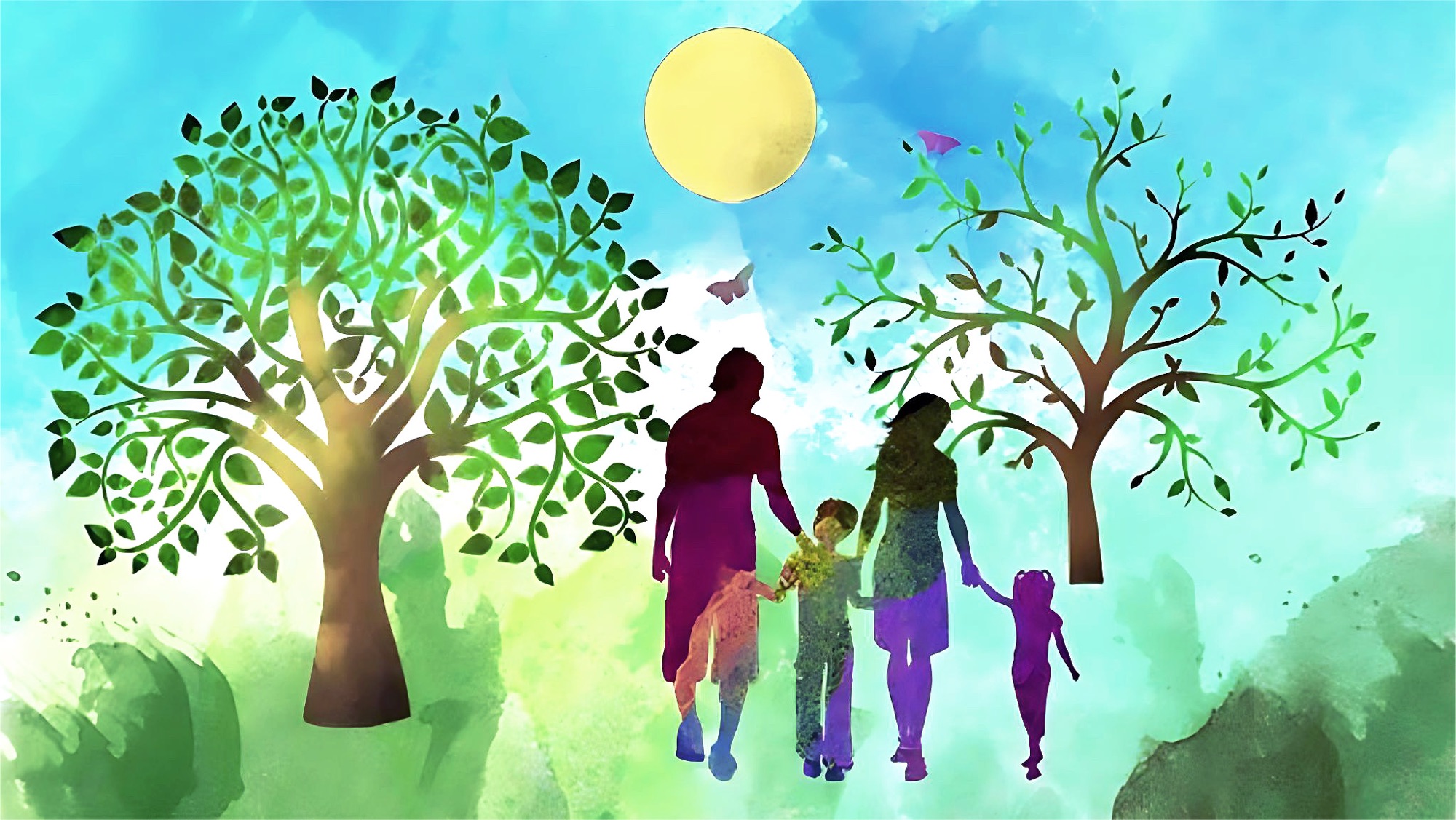
Jenny Slate recently appeared on Mike Birbiglia’s podcast, and in the course of reflecting on a graduation speech she gave, she said something deceptively simple: “It’s so beautiful out there. And, actually, I am the one to tell you about it, because I feel it in a really specific way. And my advice to you is: Find out what your receptors are for feeling what you like about life.”
At first, it’s easy to skim past those words. “It’s beautiful out there” sounds like a throwaway line, a small pep talk in a world that constantly feels overstuffed with bad news, anxiety, and distraction. But the more you dwell on it, the more it hits you: there is a wisdom in noticing beauty, in attending carefully to the life that surrounds you, and in recognizing that perception is a skill—one you can cultivate.
Slate’s phrasing—“I feel it in a really specific way”—is crucial. Beauty, she suggests, is not a universal constant. It doesn’t hit everyone the same way, at the same time, in the same degree. We each have our own receptors: those finely tuned sensibilities through which we apprehend what is wonderful, moving, or significant in life. One person might feel it in the sway of autumn leaves, another in the cadence of a well-written sentence, another in the laughter of a friend. And the first step toward a fulfilling life, she suggests, is discovering which receptors are yours.
There’s a deeper lesson here about attentiveness. Our culture, with its endless streams of information, has trained us to skim, to scroll past the ordinary, to ignore the quiet moments. But beauty rarely announces itself in grand, headline-grabbing ways. It arrives subtly: a cloud catching the light at dusk, the hum of a city waking up, the surprise of someone noticing your presence. And unless you develop the capacity to notice it—to sharpen your receptors—you may never see it at all.
Slate’s insight also has a moral undertone. To recognize beauty is to recognize life itself. To develop receptors for joy, for awe, for connection, is to develop receptivity to meaning. It is not enough to survive; one must be capable of experiencing life as vivid, as real, as textured. In this sense, beauty is not frivolous. It is existential. It anchors us in the world, giving us reason to wake up, to care, to act with love and patience.
And yet, there is humility in her statement as well. She doesn’t claim to speak for everyone. “I am the one to tell you about it,” she says, carefully: it’s personal, subjective, rooted in her own experience. She isn’t prescribing a formula; she’s offering a guidepost. Your receptors may differ. But the invitation remains: cultivate them. Attend to the world in the ways only you can, and let yourself be moved.
“It’s so beautiful out there.” It’s not a mantra. It’s an imperative: look, listen, feel. The world offers its wonders freely, but it is our job to accept them, to train ourselves to perceive them, and to carry that perception into how we live. In a time that often feels coarse, hurried, and overwhelmed by the ugly, the small act of noticing beauty is revolutionary.
And the beauty is always waiting. All we have to do is find our receptors.