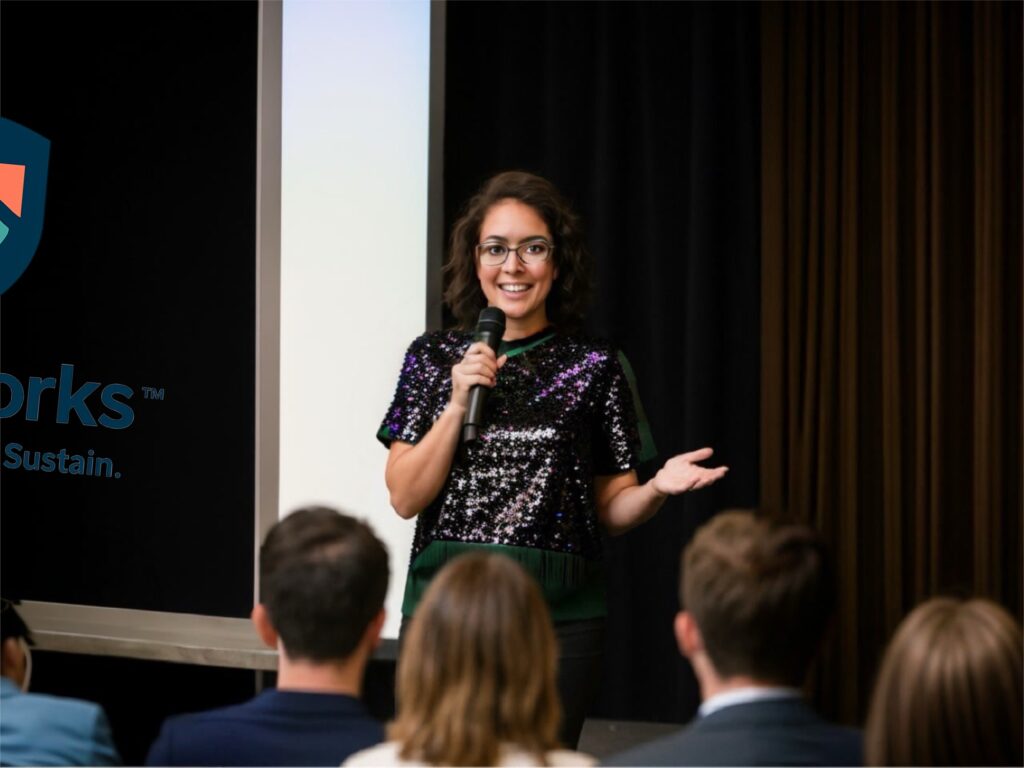

I joined the Lean In Circle Leader Training expecting a polished, well-run session designed to equip women to lead more effectively. That is exactly what it was. What I did not expect was how clearly it would expose the quiet, often unspoken divide between people who can hold competing demands at once and people who struggle the moment the load increases.
I logged in while walking on a treadmill. Not to make a point. Simply because the meeting fell between other obligations and I needed to keep moving. The tone was upbeat and earnest. Participants were encouraged to reflect, to share, to imagine how their closest friends might describe them. The atmosphere was warm, affirming, and unmistakably intentional.
At one point, a thought kept surfacing. Would a man ever be asked to do this?
Not rhetorically. Genuinely. It is difficult to imagine a room of men engaging in guided vulnerability exercises with the same level of performative cheer, or earnestly articulating how they believe they are perceived by others as part of leadership development. Not because men are incapable of it, but because they are rarely required to prove emotional fluency as a prerequisite for legitimacy.
This is where the conversation often goes sideways. The assumption is that women are being softened, restrained, or trained away from ambition. That has never matched reality. Women are fully capable of ego, aggression, manipulation, and ruthlessness. Anyone who has spent time in competitive environments knows this. The difference is that many women recognize earlier that those traits carry a long-term cost. They burn trust. They corrode teams. They create fragile power.
That awareness is not weakness. It is discernment.
Midway through the session, breakout groups were announced. I had not anticipated them. I was still on the treadmill. The moment was mildly chaotic and entirely on message. Be prepared. Be adaptable. Be engaged. Deliver anyway. It was not ironic. It was consistent.
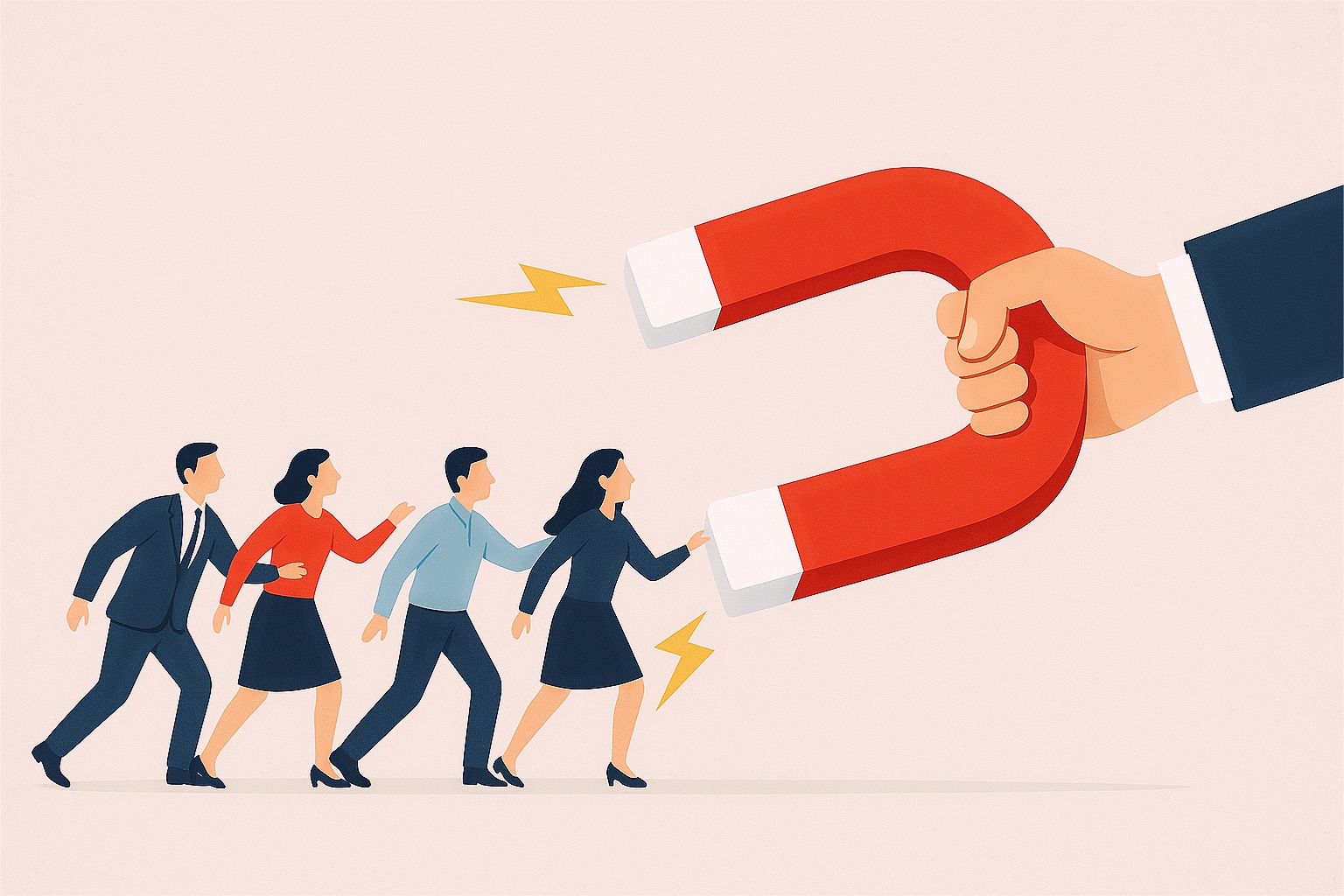
The training did not reveal a battle between men and women. It revealed something more useful. There are people who can integrate reflection, execution, and pressure without dropping the thread. And there are many more who need conditions to be controlled before they can function. Gatekeeping exists. It always has. But access does not create capacity.
That, more than anything else, seemed to be the real lesson. Leadership today demands the ability to hold contradiction without dramatizing it. To move forward without waiting for ideal circumstances. To stay functional while the treadmill keeps running.
Some people have that capacity. Many do not. Gender explains far less about that gap than we like to admit.