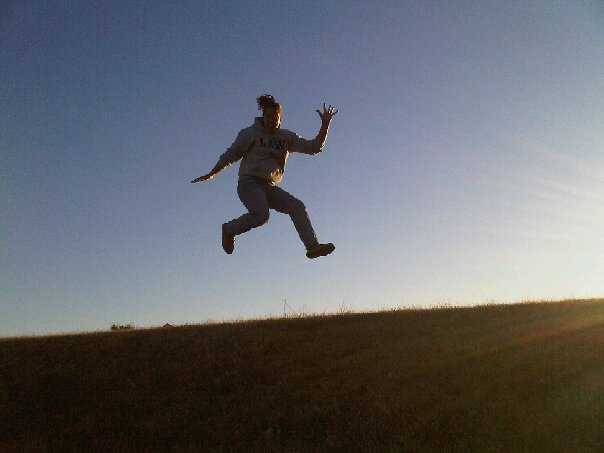

I saw a video of a Black girl talking about how much she loves being outside—hiking, camping, exploring. She looked free. And the comments? A mess.
“That’s white people stuff.”
“Girl, we don’t do that.”
“You in the woods like a runaway.”
The peanut gallery showed up in full force, clutching their stereotypes like heirlooms. And here’s the thing: it wasn’t white supremacy talking. It was internalized scripts, people parroting the roles society assigned them as if it were a birthright.
Let me be clear—loving the outdoors isn’t a betrayal of Blackness. Limiting your imagination to whatever stereotype the dominant culture boxed you into is.
When you mock someone for stepping outside the narrow lane society gave you, you’re not protecting culture—you’re policing it. You’re saying, “I’d rather stay in this tiny, pre-approved version of identity than admit we can be more.”
The wild outdoors existed long before colonizers started branding it with Patagonia logos. Our ancestors lived outside. They farmed, fished, hunted, gathered, and navigated by stars. They survived because of their connection to the land. But somehow, centuries later, enjoying nature has become “white people stuff”? That’s not cultural pride. That’s historical amnesia.
And honestly, some of y’all sound ridiculous. You think you’re keeping it real, but you’re just repeating someone else’s marketing campaign. You’ve mistaken a stereotype for a personality.
Black people can hike. Black people can surf. Black people can ski, backpack, rock climb, forage, or just sit in silence on a mountaintop and breathe. You don’t have to ask permission to be whole.
So if someone finds joy in something that doesn’t fit your narrow definition of “what we do,” maybe the problem isn’t them. Maybe it’s your inability to think beyond the script you were handed.
You don’t get extra credit for being a stereotype.